

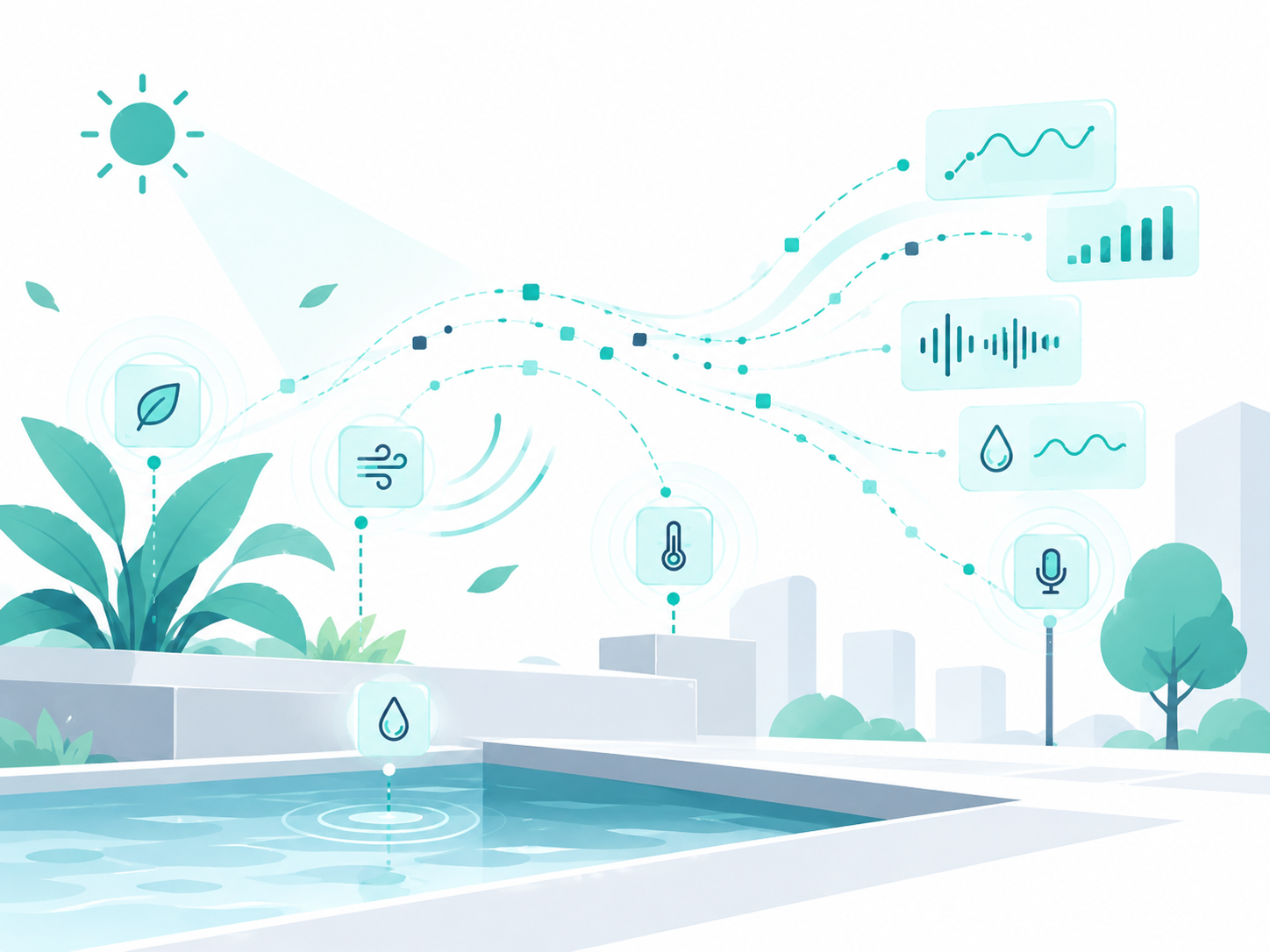
01
Build Intelligent Systems
Combine coding, robotics and sensing to create systems that interact with the world.
AI Foundations Learning connects curriculum, coding, robotics and Physical AI in a progressive, hands-on approach to AI education.
Build structured STEM and AI learning across grade levels.
Develop scalable AI education initiatives across schools and regions.
Deliver progressive hands-on AI programs and learning experiences.
Bring WhalesBot STEM and AI learning solutions into local education markets.
AI Foundations Learning is WhalesBot’s structured approach to building AI literacy through progressive and hands-on learning.. ather than treating AI education as learning how to use individual AI tools, students explore the ideas behind intelligent systems through coding, robotics, data, AI models and Physical AI.
Students develop the knowledge, skills and judgment to understand and engage with AI.
WhalesBot connects understanding with building, experimentation and application.
Coding, robotics and Physical AI turn abstract AI concepts into systems students can observe, test and improve.
WhalesBot brings AI Foundations Learning into real education environments through curriculum, learning technology, hands-on systems, Physical AI and challenge-based experiences.
A learning and curriculum platform for all age groups and WhalesBot AI education product lines, connecting structured curriculum, teaching resources and learning experiences.
Explore OceanLevel →Age-progressive robotics, coding and intelligent hardware give students tangible ways to explore concepts, build systems and test ideas.
Explore Learning Systems →From elementary through high school, EliteMind connects AI models, sensing, intelligent behavior and physical interaction through increasingly advanced learning experiences.
Explore EliteMind →Projects and global challenges give students opportunities to apply knowledge, collaborate and solve increasingly complex problems.
Explore ENJOY AI →W-Hong LLM powers intelligent capabilities within WhalesBot AI products, bringing AI interaction, understanding and creation into hands-on learning experiences.
AI built into the learning experience — not simply added on top of it.
Students move from understanding AI concepts to building, testing and applying intelligent systems through hands-on learning.
Combine coding, robotics and sensing to create systems that interact with the world.
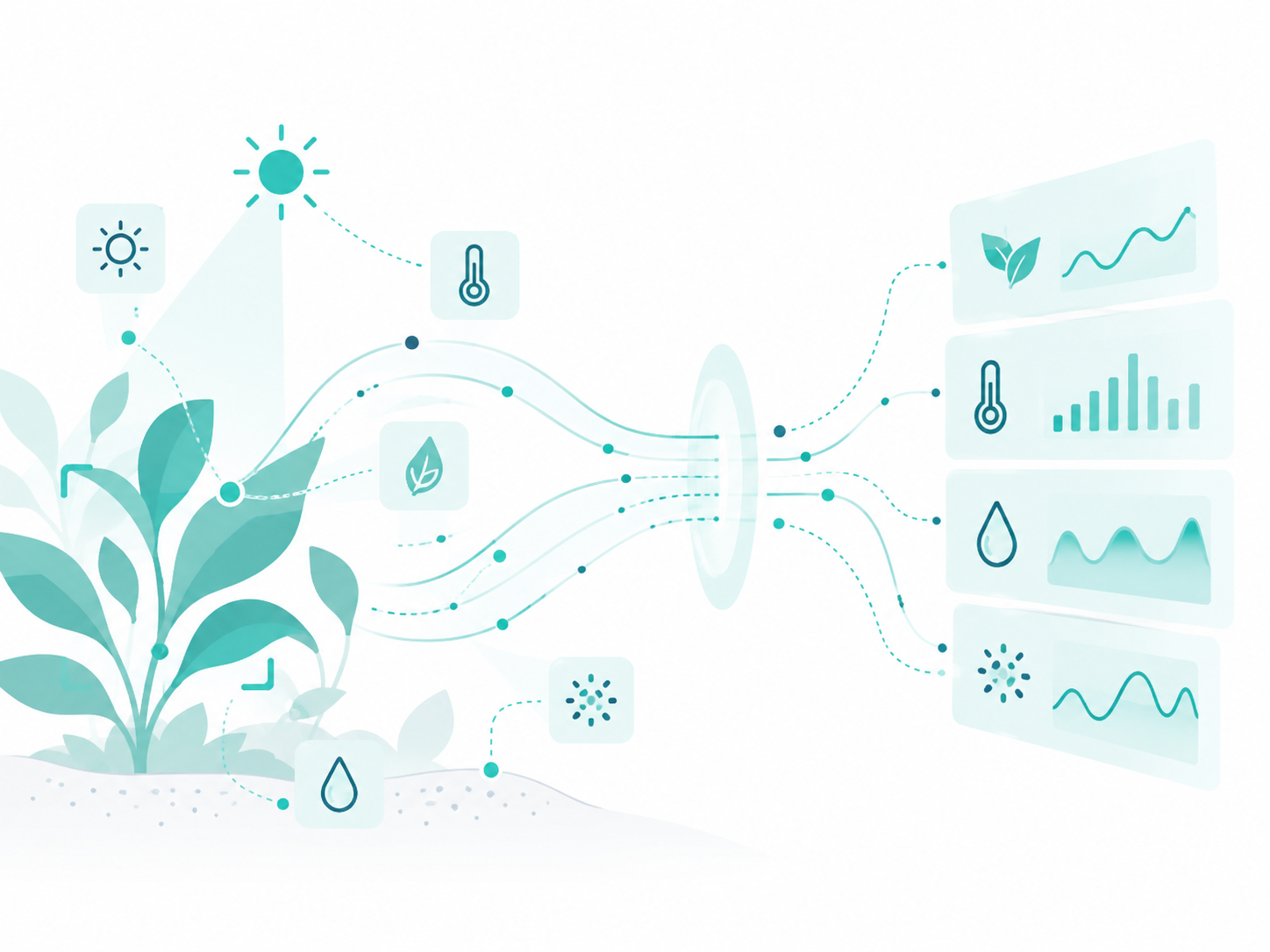
Collect, observe and work with data from sensors and real environments.
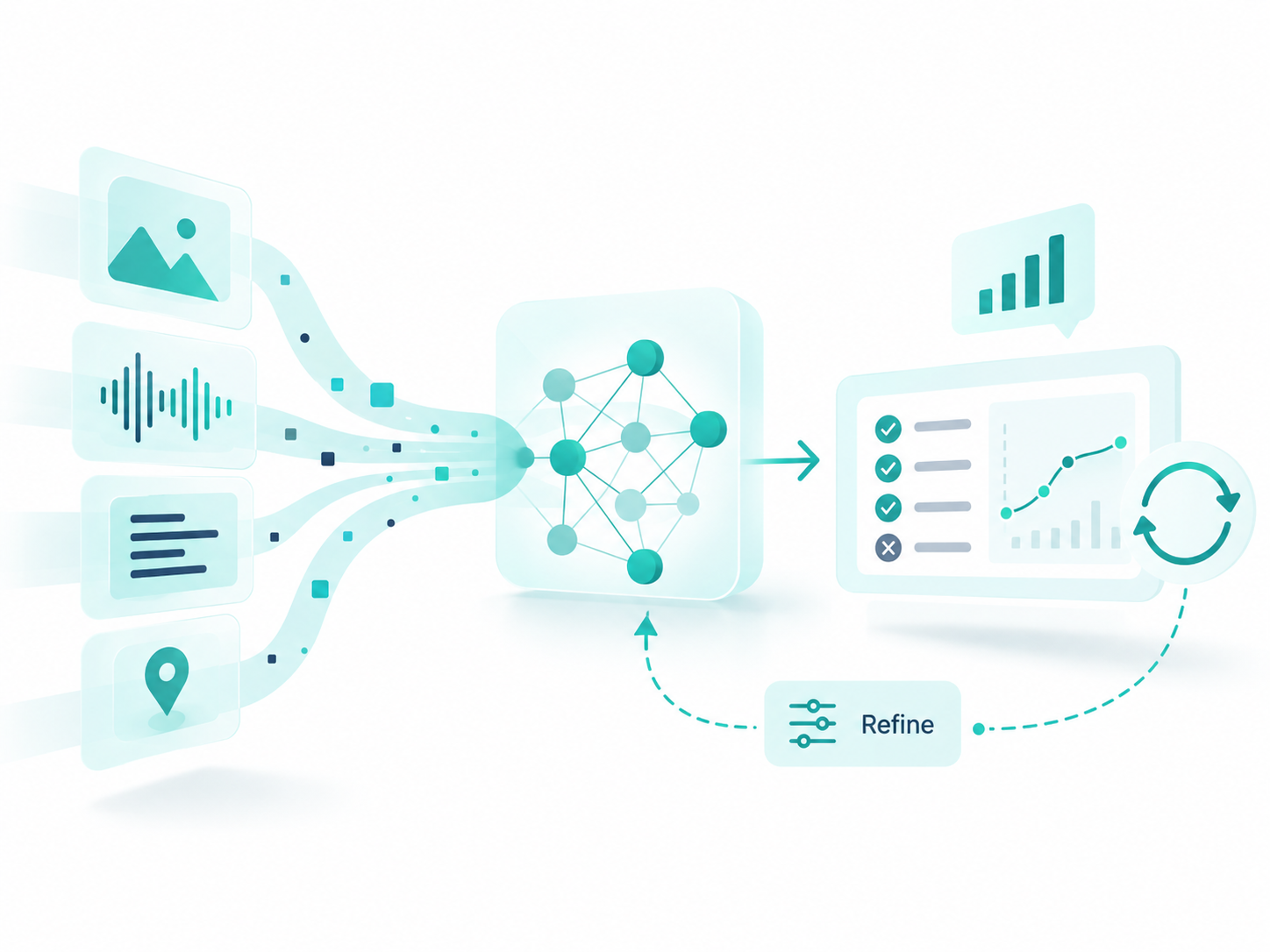
Experiment with data, model training, testing and improvement.
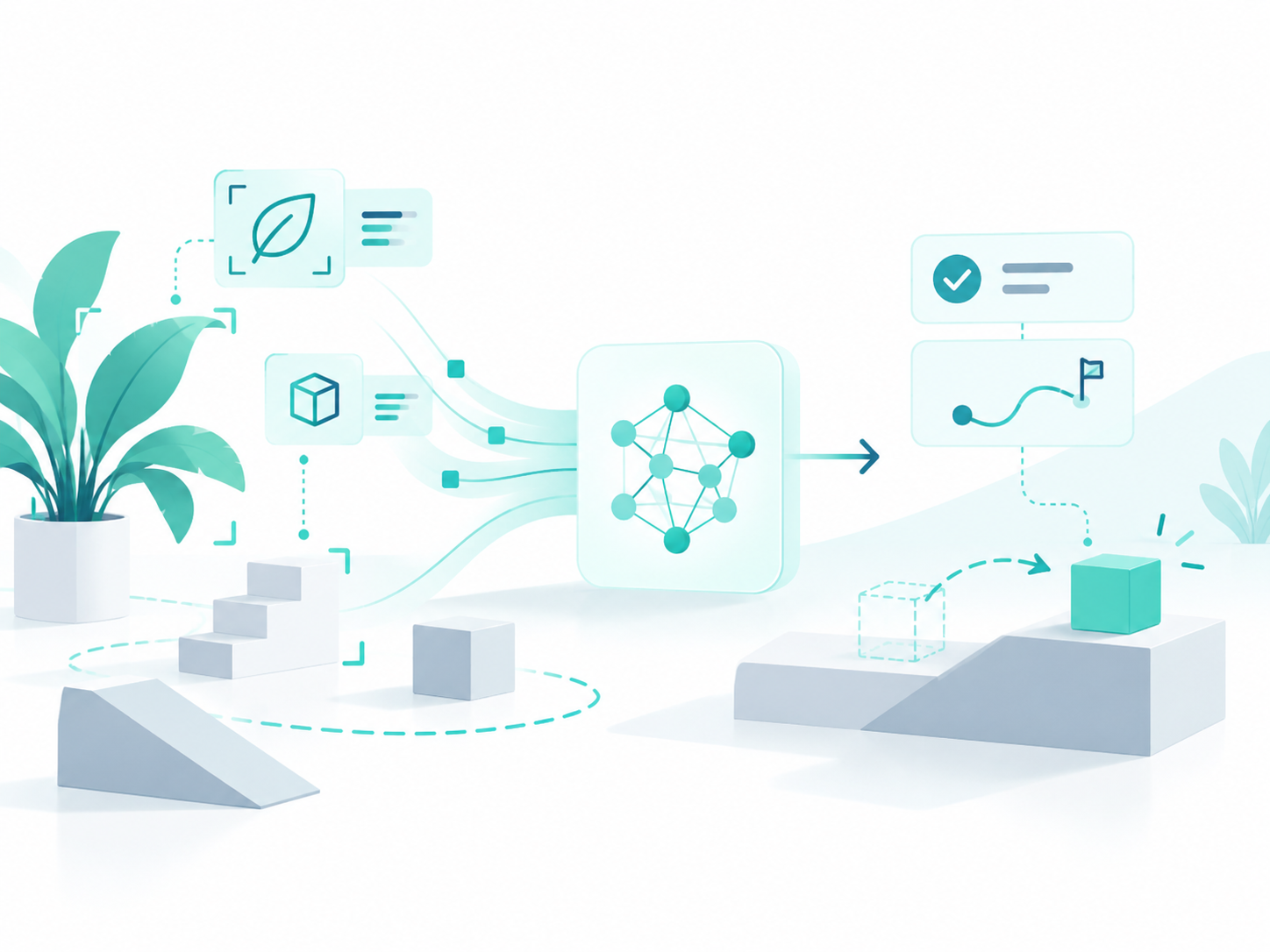
Turn ideas into projects that connect AI with practical challenges and applications.
AI Foundations Learning reflects the growing focus across AI and computer science education on AI literacy, computational thinking, responsible technology use and hands-on problem solving.
See how WhalesBot connects AI literacy, STEM, coding, robotics and Physical AI into a progressive approach to AI education.
AI Foundations Learning is WhalesBot’s structured approach to building AI literacy through progressive, hands-on learning. Students explore AI through STEM, coding, robotics, data, AI models and Physical AI — connecting understanding with building and application.
WhalesBot supports progressive AI learning from early childhood through high school, with learning experiences that increase in complexity as students develop.
EliteMind is designed for students from elementary through high school, supporting a progression from accessible AI exploration to more advanced Physical AI, model training, sensing and intelligent-system development.
OceanLevel is WhalesBot’s learning and curriculum platform for learners across all age groups and WhalesBot AI education product lines. It connects structured curriculum, teaching resources and learning experiences across the WhalesBot AI education system.
No. Students can begin with age-appropriate introductory experiences and progress from visual programming to Python, data, AI models and more advanced AI development.
Physical AI connects artificial intelligence with systems that can sense, interpret, decide and act in the physical world. Students experience AI through models, sensors, vision, robotics, movement and physical interaction.
W-Hong LLM is WhalesBot’s AI model for STEM and AI education. It powers intelligent capabilities within WhalesBot AI products, including intent recognition, voice interaction, visual understanding and AI-powered creation.
AI literacy is the outcome — the knowledge, skills and judgment students develop to understand and engage with AI. AI Foundations Learning is WhalesBot’s approach to developing that literacy through progressive, hands-on learning.
From foundational STEM and coding to AI models and Physical AI, WhalesBot helps education organizations build a progressive approach to AI learning.